Agritourism in Nigeria: Food Security & Economic Growth 2026
Stakeholders at the World Agritourism Festival 2026 are calling for closer agriculture-tourism partnerships to boost food security and economic growth in Nigeria. Discover what this emerging sector means for your career, the opportunities it creates, and how you can get involved in Nigeria’s agricultural future.
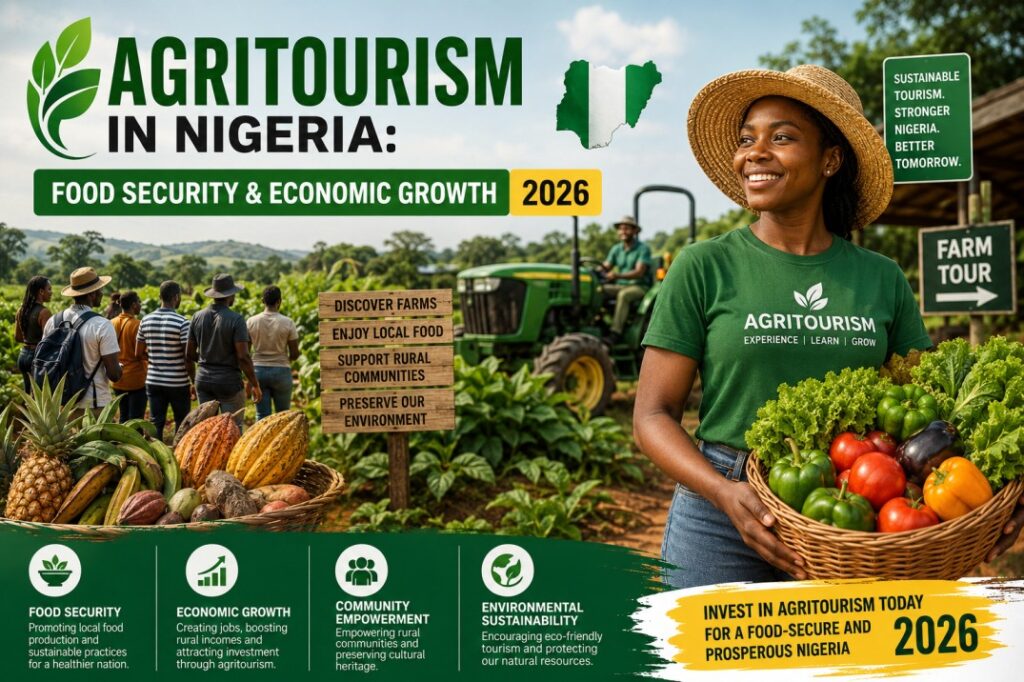
The agritourism partnership for food security and economic growth in Nigeria is gaining momentum as stakeholders recognize the massive potential of merging agriculture, tourism, and culture. At the World Agritourism Festival 2026, industry leaders from Nigeria, The Bahamas, and beyond called for strategic collaboration between these sectors to reshape food systems, boost rural economies, and reduce nations’ dependence on imports. If you’re considering a career in agriculture, tourism, or sustainable development, this emerging field offers incredible opportunities.
What is Agritourism and Why It Matters for Nigeria
Agritourism combines agricultural activities with tourism experiences, allowing visitors to engage with farming, rural culture, and local food production. This approach isn’t just trendy—it’s a practical solution to Nigeria’s food security challenges. When tourism revenue flows into farming communities, it incentivizes local farmers to maintain productive land, diversify crops, and create sustainable food systems. Furthermore, it provides employment beyond traditional farming, attracting young people to rural areas through hospitality, guide services, and agricultural education roles.
How Agritourism Boosts Food Security in Nigeria
Food security remains a critical issue across Nigeria. Agritourism addresses this by:
- Increasing agricultural investment: Tourism revenue funds better farming infrastructure, seeds, and technology
- Promoting crop diversity: Farms diversify to attract tourists interested in heritage crops and traditional foods
- Creating market access: Agritourism farms sell directly to tourists and through tourism networks, reducing middlemen costs
- Building community resilience: Rural economies become less vulnerable when income comes from multiple sources
According to stakeholders at the festival, this “Agritourism Without Borders” approach connects food systems to global markets while keeping wealth in local communities.
Economic Growth Opportunities Through Agriculture-Tourism Collaboration
The economic potential is substantial. When agriculture and tourism collaborate strategically, they create:
- Job creation: Farm workers, tour guides, hospitality staff, and agricultural technicians all benefit
- Export opportunities: Agritourism experiences and heritage foods attract international markets
- Rural development: Infrastructure like roads, electricity, and accommodation improve rural areas
- Youth engagement: Young Nigerians see farming as a business opportunity, not just subsistence
In addition, agritourism reduces Nigeria’s import dependence by strengthening local agricultural systems. When farms are economically viable through tourism, they produce more food locally.
What This Means for Nigerian Students and Job Seekers
If you’re a student exploring career paths, agritourism is an emerging sector worth considering. You could pursue studies in:
- Sustainable agriculture and farm management
- Hospitality and tourism management
- Agricultural economics and agribusiness
- Environmental science and conservation
- Cultural heritage and community development
JAMB agriculture science course requirements and universities
Institutions offering these programs are increasingly aligned with agricultural innovation. Moreover, the World Agritourism Festival 2026 demonstrates that Nigeria is positioning itself as a hub for this industry, meaning job prospects will grow.
Challenges and How Partnerships Address Them
Of course, merging agriculture and tourism isn’t simple. Common challenges include:
- Lack of funding for rural tourism infrastructure
- Limited marketing and promotion of agritourism destinations
- Poor coordination between agricultural and tourism sectors
- Skills gaps in hospitality and farm management
However, strategic partnerships between government, private sector, and communities can overcome these obstacles. When agriculture ministries work with tourism boards, funding becomes available. When farmers receive hospitality training, visitor experiences improve, leading to repeat business.
How to Get Involved in Nigeria’s Agritourism Movement
Whether you’re a student, young entrepreneur, or career-changer, here are practical steps:
- Research agritourism farms: Visit operating agritourism sites in Nigeria to understand the model
- Pursue relevant education: Choose courses in agriculture, tourism, or related fields
- Network with stakeholders: Attend agriculture and tourism conferences; follow the World Agritourism Festival updates
- Start small: If you have land or family farm access, consider developing agritourism activities
- Seek partnerships: Collaborate with established agritourism operators or tourism companies
Best Nigerian universities for agriculture and tourism programs
Frequently Asked Questions About Agritourism in Nigeria
What is the difference between agritourism and traditional farming?
Traditional farming focuses solely on producing food or crops for sale. Agritourism, however, combines farming with tourism experiences—visitors pay to participate in farm activities, learn about agricultural practices, enjoy farm-to-table meals, or experience rural culture. This dual revenue stream makes farms more profitable and sustainable.
How does agritourism help with food security in Nigeria?
Agritourism strengthens food security by increasing agricultural investment, diversifying crops, improving market access for farmers, and creating more economically resilient rural communities. When farms are profitable through tourism, farmers invest in better infrastructure and production methods, leading to increased local food availability and reduced dependence on imports.
What career opportunities does agritourism create in Nigeria?
Agritourism creates diverse job opportunities including farm management, agricultural education, hospitality and tour guiding, accommodation services, food preparation, environmental conservation, marketing, and business management. It’s particularly attractive for young people wanting to work in rural areas with sustainable, profitable careers.
The Future of Agritourism in Nigeria
The World Agritourism Festival 2026 marks a turning point for Nigeria’s agricultural and tourism sectors. As stakeholders emphasize closer partnerships, the nation is positioning itself to unlock food security, create jobs, and boost economic growth simultaneously. This isn’t just good policy—it’s an opportunity for the next generation of Nigerian entrepreneurs and professionals.
The message is clear: agriculture and tourism are stronger together. Whether you’re interested in farming, hospitality, entrepreneurship, or sustainable development, agritourism offers a pathway to meaningful work that feeds your nation and grows the economy.
Ready to explore your path into Nigeria’s growing agritourism sector? Start by researching universities offering agriculture, tourism, and business programs. Visit the official websites of Nigeria’s leading agricultural institutions, and don’t hesitate to reach out to professionals working in agritourism today. Share this article with friends interested in sustainable careers—let’s build Nigeria’s agricultural future together!