Graduate Loans in Nigeria: What You Need to Know 2026
Planning a Master’s degree in Nigeria? This 2026 guide explains graduate loan options, interest rates, repayment plans, and how to access financing for your postgraduate studies. Learn what lenders offer, how to compare options, and avoid common borrowing mistakes.
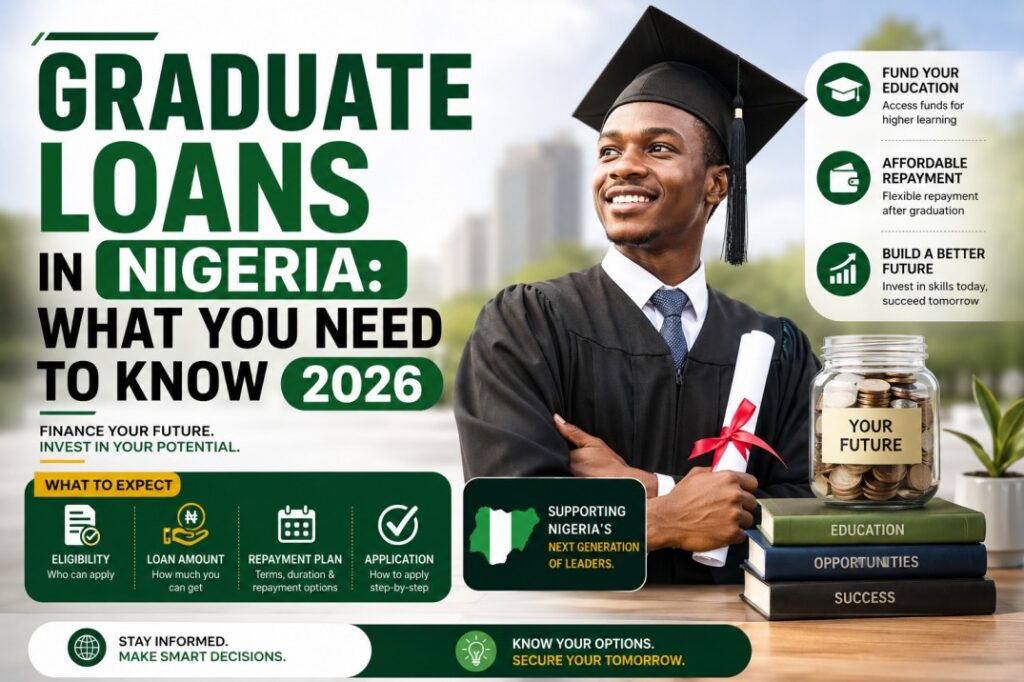
If you’re planning to pursue a graduate degree in Nigeria, understanding your graduate loans options is crucial. Whether you’re eyeing a Master’s programme at a Nigerian university or considering international study, knowing the landscape of student financing, loan caps, and repayment structures can help you make informed decisions about your education investment.
Recently, discussions around federal graduate loan policies have intensified, particularly regarding loan caps and interest rates. While these policies primarily affect international students, Nigerian postgraduate students should also stay informed about emerging loan products and alternative financing options becoming available in 2026.
Understanding Graduate Loans Available to Nigerian Students
Graduate loans in Nigeria come in several forms. The traditional route involves securing loans through commercial banks, while newer options include state-specific lower-interest graduate loan programmes. Furthermore, some institutions now offer income-driven repayment plans that make monthly payments more manageable for graduates earning modest salaries early in their careers.
If you’re considering studying abroad, understanding international loan structures is equally important. According to recent reports from Forbes Advisor, changes in loan caps and rate discounts continue to affect graduate borrowers in various countries.
Graduate Loan Interest Rates and Repayment Options in 2026
Interest rates matter significantly when borrowing for your Master’s degree. The good news? In 2026, certain rate discount programmes have been extended, and two Nigerian states have launched lower-interest graduate loan initiatives. Therefore, you should compare offerings from multiple lenders before committing to any loan agreement.
When evaluating repayment plans, consider these factors:
- Interest rate – fixed vs. variable rates
- Grace period – how long before you start repaying
- Repayment tenure – typically 5-10 years for graduate loans
- Income-driven options – payments adjust based on your earnings
- Early repayment penalties – check if there are fees for paying off early
In addition, some loan programmes now offer employer-matching contributions, particularly for graduates working in priority sectors like healthcare, education, and technology.
How to Access Graduate Loans as a Nigerian Student
The application process varies by lender and programme. However, most require:
- Proof of admission to an accredited institution
- Evidence of good academic standing
- A co-signer or guarantor (for most commercial bank loans)
- Employment history or proof of future income
- Identification documents and tax clearance
Additionally, JAMB registration guide can help you understand the broader admission process, though JAMB primarily handles undergraduate admissions. For postgraduate programmes, you’ll typically apply directly to universities or through their designated portals.
Key Considerations Before Taking a Graduate Loan
Before borrowing, ask yourself these questions: Will your programme lead to employment that justifies the debt? Can you afford the monthly repayments on an entry-level graduate salary? Are there alternative funding sources like scholarships or sponsorships?
Therefore, create a realistic budget that includes tuition, accommodation, books, and living expenses. Many students underestimate hidden costs, which can increase their loan burden unnecessarily.
Frequently Asked Questions About Graduate Loans in Nigeria
What is the average interest rate for graduate loans in Nigeria in 2026?
Interest rates vary by lender and loan type. Commercial banks typically charge 12-18% annually, while newly launched state-sponsored graduate loan programmes offer rates between 6-10%. Always compare offers from multiple institutions before deciding. Federal rate discounts available through 2028 may provide additional savings for eligible borrowers.
Can I get a graduate loan if I’m still studying my undergraduate degree?
Most lenders require proof of admission to a postgraduate programme before approving graduate loans. However, some institutions allow pre-approval once you’ve secured an offer letter from your chosen Master’s programme. Contact your bank’s education loan desk for specific eligibility criteria.
What happens if I can’t repay my graduate loan on schedule?
If you face repayment difficulties, contact your lender immediately. Many programmes now offer income-driven repayment adjustments, deferment options, or forbearance periods. Missing payments damages your credit score and can result in legal action, so communication is essential.
Moving Forward: Action Steps for Aspiring Graduate Students
Start by researching loan options at least 6-12 months before your Master’s programme begins. Visit the websites of major Nigerian banks, state student loan boards, and international lenders if you’re studying abroad. Compare not just interest rates, but also repayment flexibility and customer service ratings.
Take action today: Visit the official portals of your preferred universities to confirm tuition costs, then request loan quotes from at least three lenders. Share this guide with friends planning postgraduate studies—informed borrowing protects your financial future. For questions about admission requirements, check university postgraduate admission portal or contact the NUC (National Universities Commission) for verified information.