US Troops Nigeria 2026: What Students Need to Know
In July 2026, the United States withdrew most of its military personnel from Nigeria after completing a counter-insurgency operation against Islamic State militants. Learn what this means for Nigeria’s security, the success of the operation, and why it matters for Nigerian students studying current affairs and international relations.
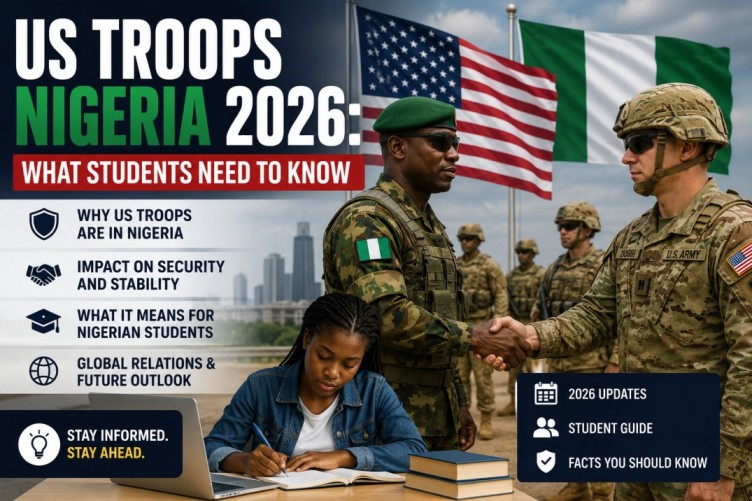
In July 2026, the United States withdrew most of its military personnel deployed in Nigeria earlier that year as part of a counter-insurgency mission against Islamic State (IS) militants. This US troops Nigeria 2026 withdrawal marks a significant shift in military cooperation between the two nations, and understanding this development is important for Nigerian students studying current affairs, international relations, or security studies. The operation, which focused on the Lake Chad Basin region, achieved notable success in degrading IS leadership structures, though security challenges persist across the country.
What Was the US Military Operation in Nigeria?
In December 2025, the United States and Nigeria launched a joint military operation targeting Islamist militant groups operating in the Lake Chad Basin. This partnership involved approximately 200 US troops deployed in early 2026 to support Nigeria’s counter-insurgency efforts. Importantly, the US military emphasised that its forces would not engage in ground combat operations but would provide support through intelligence-sharing and strategic coordination.
During this months-long mission, a senior IS leader named Abu-Bilal al-Minuki was killed. General Dagvin Anderson, Commander of US Air Forces in Africa, announced on Thursday that the operation had successfully disrupted IS’s local command structure and global communication networks, significantly degrading the group’s operational capability.
Why Did the US Withdraw Troops from Nigeria?
The withdrawal was announced as a planned conclusion to the specific counter-insurgency mission rather than an abrupt pullout. According to BBC News reports, the operation achieved its objectives, prompting the decision to redeploy most personnel. However, it’s crucial to note that US military personnel stationed in Nigeria before this particular operation have remained in the country, ensuring continued military cooperation.
Nigeria’s military spokesperson, Major General Michael Onoja, reassured the public that the withdrawal would “not affect our momentum in any way.” He also confirmed that intelligence-sharing and strategic cooperation between the two nations would continue, demonstrating that the military partnership remains strong despite the troop reduction.
What Does This Mean for Nigeria’s Security?
Nigeria continues to face complex security challenges from jihadist groups, kidnapping gangs, and separatist movements, particularly in the north-eastern regions. While the US operation successfully targeted IS infrastructure, militant groups continue to stage attacks across affected areas. However, the degradation of IS’s communication networks and leadership structures should theoretically limit their operational effectiveness.
Furthermore, the continued intelligence-sharing arrangement between Nigerian and US military authorities suggests that strategic support will persist. This cooperation demonstrates international recognition of Nigeria’s security challenges and commitment to supporting the nation’s counter-terrorism efforts, even as direct military involvement is scaled back.
Clearing Up Misconceptions About the Operation
It’s important to note that earlier claims by some international figures about a “Christian genocide” in Nigeria have been firmly rejected by Nigerian authorities and international monitoring organisations. Research on political violence in Nigeria shows that violence from jihadist groups affects communities across religious lines, with most victims being Muslims because these groups primarily operate in predominantly Muslim northern regions. The security situation is complex and multifaceted, involving various actors and affecting people from different backgrounds.
Global Context: IS Activities in Africa
Understanding the broader context is essential. According to security analysts, approximately 90% of Islamic State attacks globally now occur in sub-Saharan Africa, with Nigeria hosting the group’s most active branch. This makes the joint US-Nigeria operation particularly significant in the global counter-terrorism landscape. The disruption of IS’s communication networks could have implications for militant activities across the wider African region.
What’s Next for Nigerian Security?
The withdrawal of most US troops doesn’t signify abandonment of Nigeria’s counter-insurgency efforts. Instead, it reflects confidence in Nigeria’s military capabilities following the successful operation. Moving forward, the focus will likely shift toward building Nigerian institutional capacity to maintain the gains achieved through the joint operation.
The continued presence of core US military personnel and ongoing intelligence-sharing arrangements suggest that the partnership will evolve rather than disappear. This approach allows Nigeria to take greater ownership of its security challenges while maintaining access to international support and expertise.
Latest JAMB news and updates for Nigerian students
Frequently Asked Questions
Did the US military operation successfully reduce IS threats in Nigeria?
Yes, the operation significantly degraded IS’s leadership structure and disrupted its communication networks. A senior IS leader, Abu-Bilal al-Minuki, was killed during the mission, and General Dagvin Anderson confirmed that IS’s local command structure and global network capabilities were substantially weakened. However, IS cells continue to operate and stage occasional attacks, so the threat hasn’t been completely eliminated.
Will US military support continue after the troop withdrawal?
Yes, intelligence-sharing and strategic cooperation between the US and Nigerian militaries will continue despite the withdrawal of the 200 deployed troops. Additionally, US military personnel who were stationed in Nigeria before the 2026 operation have remained in the country, ensuring that the foundational military partnership persists and evolves.
Why is the US troops withdrawal important for Nigerian students to understand?
This development is relevant to students studying international relations, security studies, African politics, and current affairs. It demonstrates how military partnerships function, the complexities of counter-terrorism operations, and Nigeria’s role in global security frameworks. Understanding such events helps students develop informed perspectives on national security and international cooperation.
Key Takeaways for Nigerian Students
- The US withdrawal in July 2026 represents the conclusion of a successful counter-insurgency operation, not abandonment of Nigeria
- The joint US-Nigeria mission achieved significant success in disrupting IS’s operational capabilities
- Intelligence-sharing and military cooperation between Nigeria and the US will continue
- Nigeria’s security challenges remain complex and require multifaceted approaches beyond military operations
- Understanding global security developments helps students appreciate Nigeria’s international relations and strategic importance
Stay informed about current events affecting Nigeria and the world! Whether you’re preparing for JAMB, WAEC, or NECO exams, understanding international relations and current affairs can strengthen your knowledge across multiple subjects. Follow official sources like the JAMB portal and reputable news outlets for the latest updates on global and national developments. Share this article with classmates and friends interested in understanding Nigeria’s security landscape and international partnerships.