INEC Ekiti 2026 Election: Will It Redeem Nigeria’s Electoral Process?
The Ekiti 2026 governorship election is a critical test of INEC’s commitment to electoral credibility. Learn why this election matters for Nigerian democracy and what students need to know about the election process, voter participation, and institutional accountability.
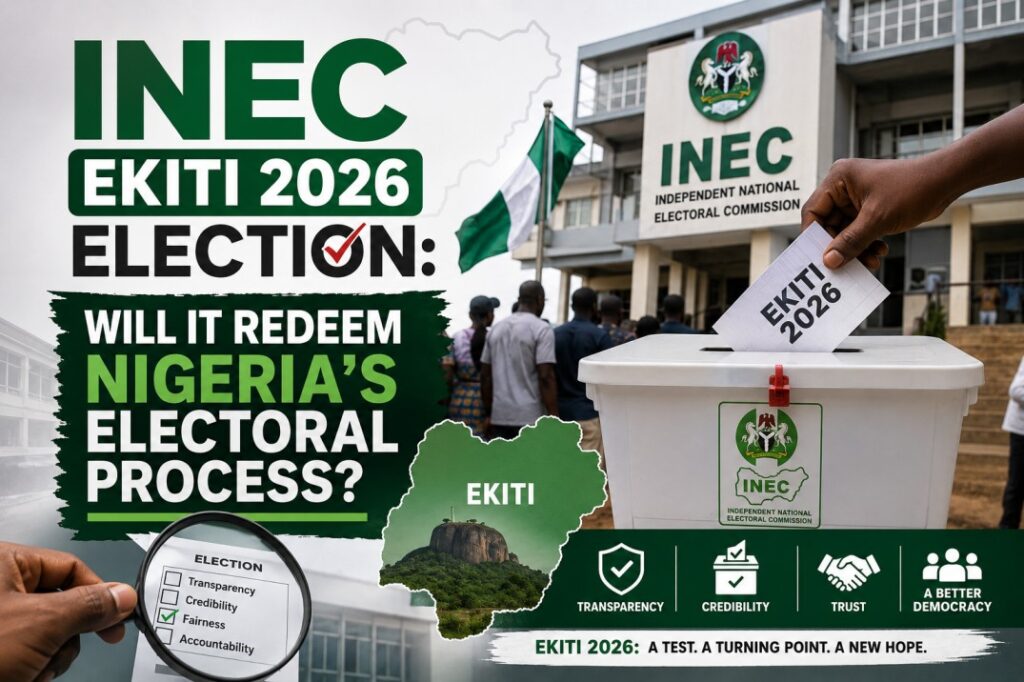
The Ekiti State governorship election in 2026 represents a critical moment for INEC Ekiti 2026 election credibility and Nigeria’s entire democratic process. As millions of Nigerian students and young voters watch how elections unfold, understanding this election matters—especially if you’re studying political science, law, or civic governance. This election will test whether the Independent National Electoral Commission (INEC) can restore public confidence after the credibility challenges it faced during the 2023 general elections.
Understanding the Ekiti 2026 Election Challenge
The transparency and fairness of Nigeria’s electoral system have long been questioned. Past elections in Nigeria have suffered from rigging, electoral violence, and voting process manipulation—issues that have damaged both INEC’s reputation and the nation’s international standing. Therefore, the 2026 Ekiti governorship election is not just a state-level contest; it’s an opportunity for INEC to demonstrate institutional reform and commitment to democratic principles.
According to reporting from National Daily, President Bola Tinubu has urged INEC, security agencies, and political parties to ensure a peaceful, free, and fair election. The President emphasized that democracy fails when citizens lose confidence in the electoral process—a warning that applies directly to young Nigerians who are becoming voters.
Key Facts About the Ekiti 2026 Governorship Election
Here’s what you need to know about this election:
- Registered Voters: 1,059,360 eligible voters in Ekiti State
- PVC Collection Rate: 97.13% of voters have collected their Permanent Voters’ Cards (PVCs)
- Polling Units: 2,445 polling units across 177 wards and 16 local government areas
- Main Contenders: Incumbent Governor Biodun Oyebanji (APC), Dr. Wole Oluyede (PDP), and Dare Bejide (ADC)
- Total Political Parties: 14 out of 22 registered parties are participating
INEC’s Election Preparation Efforts
To demonstrate its commitment to credibility, INEC has taken several preparatory measures. The commission commenced movement of sensitive election materials to all 16 local government areas, including ballot papers, Bimodal Voter Accreditation System (BVAS) machines, and voter registers. According to the Resident Electoral Commissioner Dr Bunmi Omoseyindemi, these materials were distributed to ensure all polling units are adequately equipped.
Furthermore, the Nigeria Security and Civil Defence Corps (NSCDC) has positioned itself to enhance security during the election, working alongside INEC to prevent violence and electoral fraud.
Why This Election Matters for Democracy in Nigeria
If INEC conducts a credible Ekiti 2026 election, it sends a powerful signal to Nigerians—especially young voters—that the electoral system can be trusted. In contrast, failure to deliver would further erode public confidence and suggest that institutional reform remains inadequate. This is particularly important for students interested in JAMB politics and government subject or those pursuing courses in political science and public administration.
The challenge is real: INEC must balance transparency with efficiency, ensure security without intimidating voters, and resist political pressure from all parties. The outcome of Ekiti 2026 may influence how Nigerians approach future elections, including national contests.
What Happens on Election Day?
Voting is scheduled to begin at 8:30 am and end at 2:30 pm. However, anyone already in the voting queue by 2:30 pm is allowed to vote. After voting closes, results will be collated at all polling units, and INEC will officially announce the winner once all votes are counted and verified.
Frequently Asked Questions About Ekiti 2026 Election
What did INEC do wrong in the 2023 general elections?
INEC performed below expectations during Nigeria’s 2023 general elections, facing criticism over transparency, results collation delays, and credibility concerns. This damaged public confidence in the commission and is why the 2026 Ekiti election is viewed as a redemption opportunity. The commission must demonstrate institutional improvements to restore trust among Nigerian voters.
How can I verify election results after voting in Ekiti 2026?
INEC publishes results at the polling unit level through its online portal and official channels. Citizens can cross-check results against what they witnessed during the collation process. For official results, visit INEC’s official website or contact your local government electoral office for verified information.
Why is voter confidence in Nigerian elections declining?
Voter confidence has declined due to a history of electoral fraud, rigging, voting process manipulation, and perceived institutional weakness in INEC. When citizens doubt election credibility, they lose faith in democracy itself. This is why ensuring free, fair, and transparent elections—like those INEC promises for Ekiti 2026—is essential for democratic stability.
The Bottom Line: Nigerian Democracy Depends on Electoral Integrity
The Ekiti 2026 election is more than a state contest—it’s a referendum on INEC’s capacity to deliver credible elections. For students and young Nigerians who will vote in future elections, this moment matters. It demonstrates whether institutional reforms are real or merely cosmetic. Whether INEC redeems itself or slides further will shape public perception of democracy in Nigeria for years to come.
Stay informed about Nigeria’s electoral process and democratic development. Check JAMB civic education resources for more information on how Nigeria’s political system works. Share this article with your classmates to deepen your understanding of contemporary issues in Nigerian governance.