Commodity Trading & Global Markets: What Nigerian Students Should Know
Discover why commodity trading and global markets matter to Nigerian students and the economy. Learn about oil prices, palm oil trading, and exciting career opportunities in finance and energy sectors.
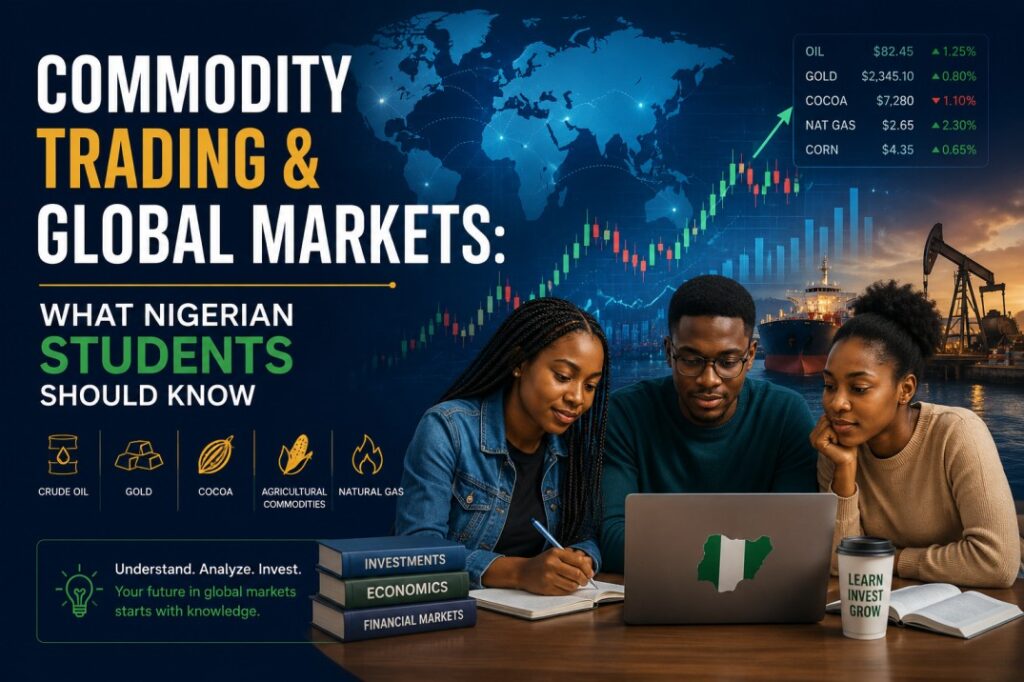
If you’re a Nigerian student interested in economics, finance, or business, understanding commodity trading and global markets is essential knowledge. Recent market movements in crude oil and palm oil show why these commodities matter to our economy and your future career prospects. Let’s break down what’s happening in global commodity markets and why it matters to you.
What Are Commodities and Why Should You Care?
Commodities are raw materials or agricultural products traded on global markets. For Nigeria, the most important commodities are crude oil and agricultural products like palm oil. These exports generate billions of naira for our government and fuel our economy.
Recent market reports indicate that US crude oil may retest resistance at $77.26 per barrel, while palm oil prices may retrace to 4,534 Malaysian ringgit. When oil prices rise or fall, Nigeria’s government revenue changes—affecting everything from infrastructure spending to education funding.
How Oil Prices Affect Nigeria’s Economy
Nigeria depends heavily on crude oil exports for foreign exchange. When global oil prices increase, our national budget gets more funds. However, when prices drop (as they sometimes do), the government faces budget challenges, which can impact public services and job creation.
Understanding these market trends helps you appreciate economic policy decisions and prepares you for careers in petroleum engineering, economics, or finance.
The Importance of Diversification
Nigeria also exports agricultural products, including palm oil. However, our economy remains too dependent on oil. Furthermore, learning about commodity markets teaches you why economic diversification is crucial for sustainable development. Therefore, future leaders need to understand how to reduce reliance on single exports.
Key Takeaways for Students
- Monitor global commodity prices—they directly affect Nigeria’s economy
- Understand supply and demand forces in international markets
- Recognise how currency fluctuations impact export values
- Consider careers in energy, finance, or agricultural economics
In addition to oil and palm, Nigeria also trades in cocoa, cashews, and other agricultural commodities. Each sector offers unique career opportunities for young Nigerians.
Career Paths in Nigeria’s Energy Sector
Frequently Asked Questions
Why do oil prices matter to Nigerian students?
Oil prices directly affect Nigeria’s government revenue, which funds education, infrastructure, and public services. When oil prices rise, more money is available for development. When they fall, budget cuts may occur. Understanding this helps you grasp how global markets influence your country’s economic opportunities and future job market.
Can I make a career from understanding commodity trading?
Absolutely. Careers in commodity trading, petroleum engineering, agricultural economics, and energy finance are highly rewarding in Nigeria and internationally. Major companies and investment firms constantly seek professionals who understand global market dynamics and commodity price movements.
What’s the difference between commodity prices and currency exchange rates?
Commodity prices are what oil, gold, or palm oil cost in global markets (usually in US dollars). Currency exchange rates determine how many naira equal one dollar. Both affect what Nigeria earns from exports. When the dollar strengthens or oil prices rise, Nigeria earns more naira per barrel sold abroad.
Start Your Learning Journey Today
Whether you’re preparing for JAMB, WAEC exams, or planning a career in finance, understanding global commodity markets gives you an edge. Stay updated on market trends, read financial news, and consider how economics shapes Nigeria’s future.
Ready to expand your knowledge? Follow financial news platforms, explore economics topics on educational websites, and don’t hesitate to ask your teachers about commodity trading. Share this article with classmates interested in economics and finance. Your awareness today could lead to career success tomorrow!