Africa’s Health Investment: Ebola Response & Vaccines 2026
Discover how African governments are taking charge of Ebola response and vaccine manufacturing with $910 million in pledges. Learn why this matters for Nigerian healthcare students and future career opportunities.
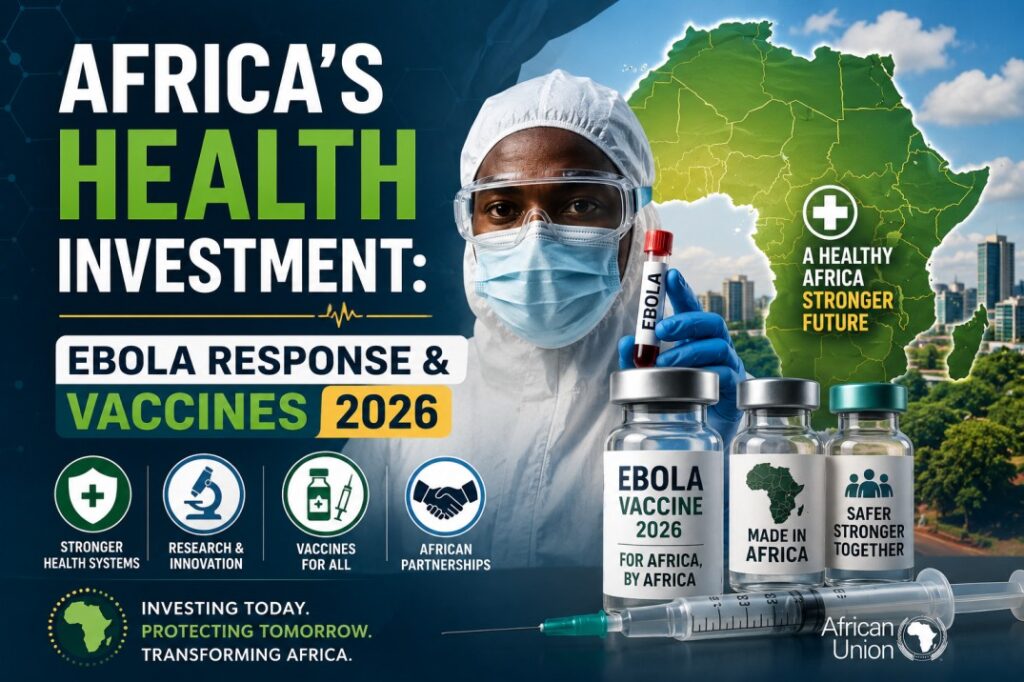
Africa is taking a bold step towards self-reliance in healthcare. Recently, the Africa CDC highlighted how Africa health investment in Ebola response and vaccines is reshaping the continent’s approach to epidemic preparedness. With an African Epidemic Fund receiving $80 million in pledges from African governments and a broader donor conference generating $910 million, the message is clear: Africa is prioritising its own health security.
As an African student or healthcare enthusiast, understanding these developments matters. It shows how your continent is building stronger medical systems that could create opportunities in public health, pharmacy, and medicine manufacturing careers. career opportunities in Nigerian healthcare sector
Why Africa Needs Its Own Health Investment
According to the Africa CDC chief, Kaseya, the continent must invest its own funds in Ebola response and vaccine development. “We need to take care of ourselves,” Kaseya emphasised, urging African nations to focus on manufacturing medicines and vaccines to meet local needs rather than relying entirely on external donors.
This approach addresses a critical gap: Africa’s heavy dependence on imported pharmaceuticals and vaccines. By investing domestically, African governments can:
- Build sustainable healthcare infrastructure
- Create jobs in pharmaceutical manufacturing
- Reduce costs of essential medicines and vaccines
- Strengthen epidemic response capabilities
The African Epidemic Fund and Donor Pledges
The newly established African Epidemic Fund represents a turning point. With $80 million in commitments from African governments alone, plus $910 million from the broader donor conference, Africa is demonstrating financial commitment to health security. This isn’t just about fighting Ebola—it’s about building resilient systems for future pandemics.
As reported by AP News, these pledges signal that both African and international stakeholders recognise the importance of continent-wide health investment.
What This Means for Nigerian Students
If you’re studying science, medicine, pharmacy, or public health in Nigeria, this African health investment trend creates exciting career pathways. Pharmaceutical companies, research institutions, and government health agencies will need skilled professionals to drive vaccine development and Ebola response initiatives.
Furthermore, understanding global health policy strengthens your JAMB General Knowledge and makes you competitive for international scholarships in medical and public health fields. best JAMB science subjects to study medicine
Frequently Asked Questions
What is the African Epidemic Fund?
The African Epidemic Fund is a newly established financing mechanism designed to support Africa’s response to disease outbreaks, including Ebola. It has received pledges totalling approximately $80 million from African governments, demonstrating the continent’s commitment to self-funded health security and vaccine development.
How much money was pledged for Africa’s health investment?
The broader donor conference generated pledges of approximately $910 million, combining both African government contributions and international donor support. This significant funding aims to strengthen Ebola response capabilities and vaccine manufacturing across the continent.
Why is Africa focusing on manufacturing its own vaccines?
Africa CDC leadership emphasises that the continent must reduce dependency on imported medicines and vaccines. By investing in local pharmaceutical manufacturing, African nations can respond faster to epidemics, create employment, reduce costs, and build sustainable health systems for future challenges.
Stay informed about global health developments and career opportunities in healthcare. Follow official JAMB portals and health sector announcements to explore pathways in pharmaceutical sciences and public health. Share this article with classmates interested in medicine and healthcare careers—together, we can build Africa’s health future!