Marketing 2026: How Peer Trust Beats Ads in Nigeria
A landmark NIMN report reveals that peer trust now outpaces traditional advertising in Nigeria. Learn what this shift means for brands, careers, and students entering the marketing industry in 2026.
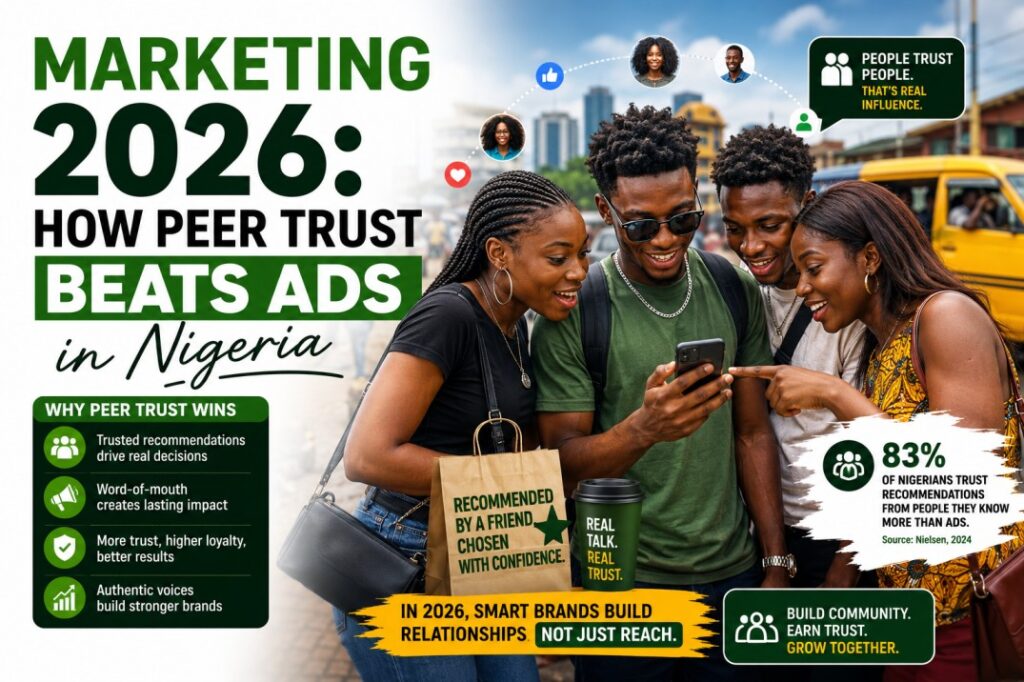
The marketing landscape in Nigeria is shifting dramatically. According to a landmark report unveiled by the National Institute of Marketing of Nigeria (NIMN), peer trust marketing Nigeria 2026 reveals that community influencers and peer recommendations now wield far greater power over purchasing decisions than traditional advertising ever did. This represents a seismic shift in how Nigerian brands must engage consumers, and understanding this trend is crucial for aspiring marketers and business-minded students.
What the NIMN Report Reveals About Peer Trust Marketing in Nigeria
At the 2026 Annual Marketing Conference held in Port Harcourt, industry leaders and academics announced findings that challenge everything marketers thought they knew. The joint consumer insight report, developed by Lagos Business School (LBS) and NIMN, revealed that Nigerian consumers score an average of 7.5 out of 10 on the aspiration index—remaining highly aspirational despite economic pressures.
However, the most striking discovery was this: peer trust, community influencers, and faith-based leaders now exert significantly more influence on purchasing decisions than traditional advertising. This means brands can no longer rely on expensive TV commercials or billboards alone. Instead, they must build authentic relationships within communities.
Why Community, Culture, and Connection Matter More Than Ever
The conference theme—”Community, Culture and Connection: Reimagining the New Market”—wasn’t chosen by accident. Prof. Uchenna Uzo, Deputy Vice-Chancellor of Pan-Atlantic University, emphasised that organisations must treat consistency as a strategic imperative, not just a compliance checkbox.
Furthermore, Ayo Awosika, Commercial Director of UAC Foods Limited, argued that the most differentiated brands of the next decade will genuinely embed themselves into communities rather than simply advertising to them. This shift reflects a broader reality: Nigerian consumers trust their peers, pastors, and community leaders more than they trust faceless corporate messaging.
What This Means for Registration and Professional Standards
In addition to revealing consumer behaviour, NIMN President Bolajoko Bayo-Ajayi announced a significant regulatory move: all marketing practitioners operating in Nigeria must formally register with NIMN. This clampdown aims to eliminate quackery, elevate industry standards, and ensure that consumer engagement comes from credible, accountable professionals.
For students pursuing marketing careers, this regulation signals opportunity. How to become a certified marketing professional in Nigeria Professional credentials will become increasingly valuable as the industry tightens its standards.
Key Takeaways for Nigerian Students and Aspiring Marketers
- Peer trust trumps traditional ads—focus on building community relationships, not just campaigns
- Cultural authenticity is a competitive advantage—brands must genuinely connect with Nigerian values and communities
- Professional registration is now critical—NIMN membership will become essential for career advancement
- Consistency matters strategically—one-off campaigns won’t cut it; sustained engagement wins
The Bigger Picture: Education and Career Planning
Therefore, if you’re a secondary school student considering a marketing or business career, this report offers valuable insight. The future of marketing in Nigeria isn’t about traditional advertising dominance—it’s about building trust through community engagement and cultural relevance. Best business courses for JAMB candidates 2026 Consider institutions that emphasise community engagement and professional ethics alongside business fundamentals.
Frequently Asked Questions About Peer Trust Marketing in Nigeria
Why is peer trust more effective than traditional advertising in Nigeria?
Nigerian consumers are more likely to trust recommendations from friends, family, community leaders, and faith-based figures than impersonal corporate advertisements. The NIMN report confirms that this social proof drives purchasing decisions more effectively than billboards or TV ads. This reflects the collectivist culture and strong community bonds that characterise Nigerian society.
Do I need to register with NIMN to work in marketing in Nigeria?
Yes, according to NIMN’s 2026 announcement, all marketing practitioners operating in Nigeria are now required to formally register with the Institute. This regulatory requirement is designed to weed out unqualified practitioners, elevate professional standards, and protect consumers. Check the NIMN official website for registration details and eligibility criteria.
How can brands adapt to this shift toward community-based marketing?
Brands should focus on embedding themselves genuinely into communities, partnering with local influencers and faith leaders, and maintaining consistent, culturally relevant messaging. Rather than treating marketing as a broadcasting exercise, companies must engage in authentic two-way dialogue with their audiences and prioritise long-term relationship-building over short-term sales.
What You Should Do Now
Whether you’re a JAMB candidate, SSCE student, or aspiring entrepreneur, the 2026 marketing landscape demands that you understand the power of peer trust and community engagement. The old marketing playbook—dominated by traditional advertising—is becoming obsolete. Instead, future marketers must be cultural translators, community builders, and authentic storytellers.
Take action today: If marketing or business is your passion, begin exploring professional development opportunities with NIMN. If you’re preparing for tertiary education, Top universities offering marketing programmes in Nigeria choose institutions with strong industry connections. And most importantly, start observing how Nigerian brands build trust in your own community—this real-world learning will serve you far better than textbooks alone.
Have questions about peer trust marketing or career planning in business? Share this article with your classmates, and let’s discuss in the comments below.