University of Abuja Gets Green Light to Admit 200 Medical Students Annually
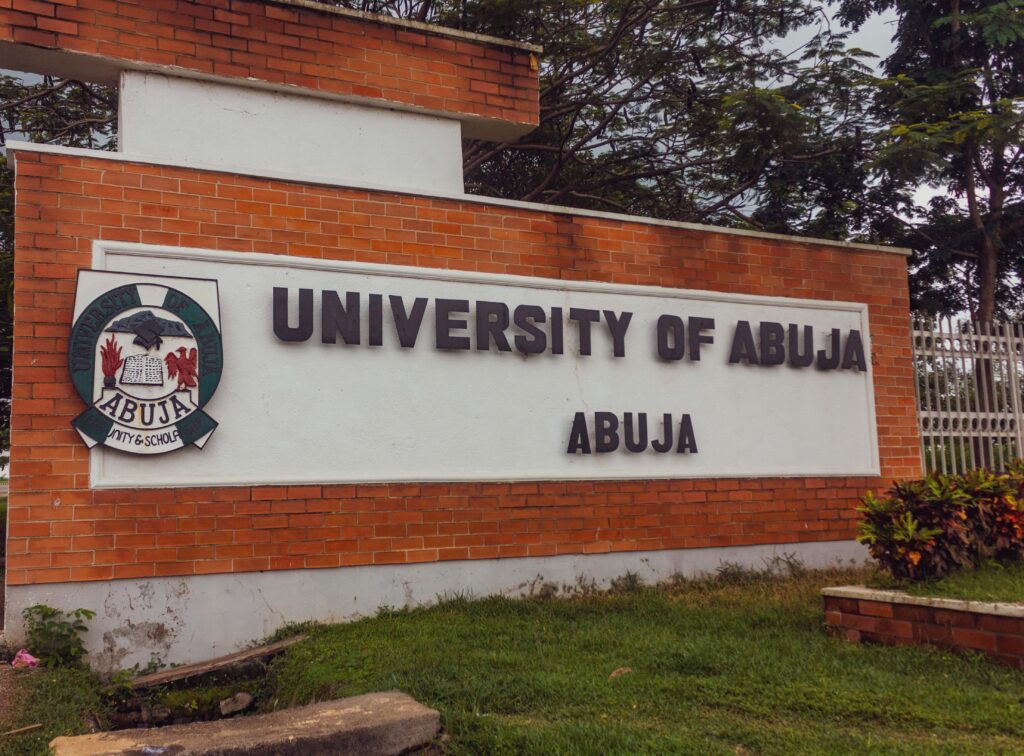
ABUJA, Nigeria — In a major boost to Nigeria’s healthcare education, the University of Abuja (UNIABUJA) has received approval to triple its yearly MBBS student intake—from 75 to 200. This landmark development comes after a rigorous re-accreditation exercise conducted by the Medical and Dental Council of Nigeria (MDCN).
The announcement was made by MDCN Registrar, Professor Fatima Kyari, during a visit to the university’s main campus. The approval, she said, was the outcome of a detailed inspection led by a team of 17 medical professionals who reviewed the university’s infrastructure, staffing, and clinical capacity.
Why the Admission Quota Was Increased
Professor Kyari explained that student intake must align with what a university can support—factors like available teaching staff, clinical bed space, laboratory equipment, and training tools are crucial. While UNIABUJA currently has 360 clinical beds, the MDCN allowed some flexibility as the school works toward the ideal 600-bed benchmark required for 200 students.
“The country needs more doctors. Abuja is the center of Nigeria—it should lead,” Kyari emphasized, noting the Council’s belief in the university’s potential to meet rising demands.
Praise With Room for Growth
Although the university earned praise for significant improvements, MDCN flagged several areas needing urgent attention, such as:
- Shortage of trained medical staff
- Insufficient pathology labs
- Weak transport systems for students
- Gaps in hands-on clinical training resources
Still, the tone remained collaborative. “We didn’t come to just list what’s missing,” Kyari said. “We’re here to help the school keep moving forward.” She also assured that the Council will continue monitoring UNIABUJA’s progress and provide support where needed.
Tied to a National Health Goal
The decision aligns with Nigeria’s broader strategy to strengthen its healthcare workforce. According to Kyari, the upgrade supports the Nigeria Health Sector Renewal Investment Initiative, which seeks to:
- Train more medical professionals
- Retain healthcare workers within the country
- Improve access to quality healthcare nationwide
The MDCN based its decision on globally recognized standards, covering everything from infrastructure to student-teacher ratios, hospital access, and overall management of the medical program.
University Leadership Reacts
In her remarks, Acting Vice-Chancellor Professor Patricia Manko Lar expressed deep appreciation for the Council’s thoroughness.
“We didn’t cut corners. We showed everything. The feedback we got will push us to do more,” she said.
Professor Lar added that even after her tenure, she hopes the university will continue to build on the solid foundation laid. She promised that UNIABUJA will not relent in its efforts to become a top medical training hub in Nigeria.
What This Means for Aspiring Doctors
For prospective JAMB candidates and aspiring medical students, this is a golden opportunity. With more admission slots available, competition remains, but the chances of securing a place in the MBBS programme at UNIABUJA just got a whole lot better.
Stay updated on UNIABUJA’s medical admission process, requirements, and deadlines as the new academic session approaches.
You may also like to read: UNIABUJA Launches 2025 Degree Conversion Admission: Here’s What You Need to Know