Nigeria’s Green Hydrogen Initiative 2026: What Students Need to Know
Nigeria’s historic green hydrogen initiative is opening exciting career pathways for students in renewable energy and engineering. Learn what this means for your university choices and future job prospects.
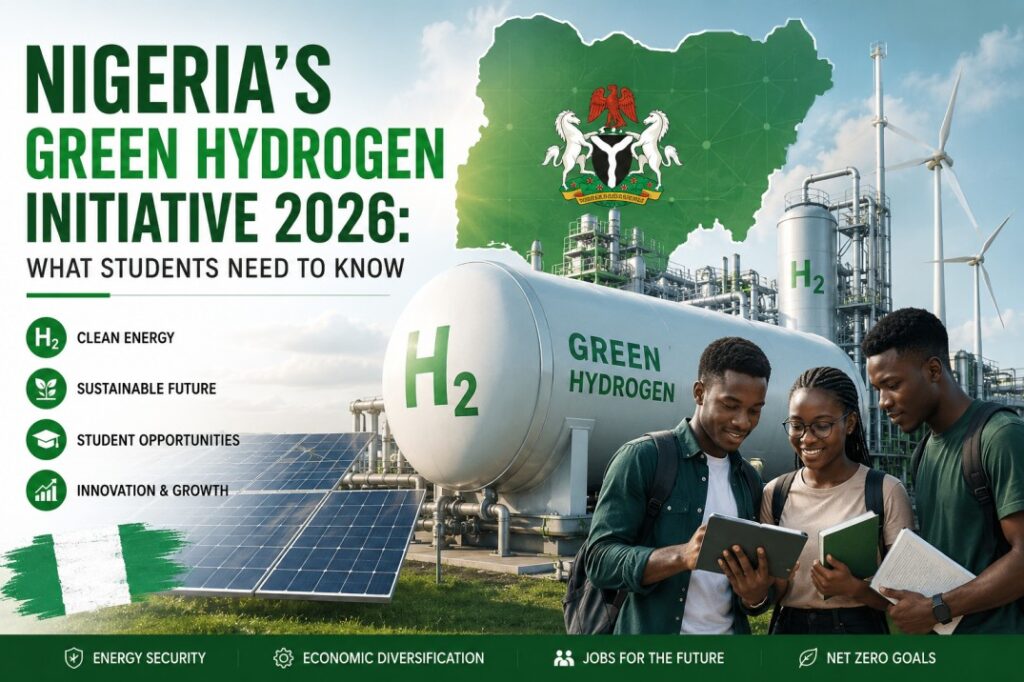
Nigeria has just launched a historic green hydrogen initiative as part of its energy transition programme, and this landmark development is opening exciting doors for young Nigerians interested in renewable energy and industrial careers. At the inaugural Project Steering Committee meeting in Abuja, the Energy Commission of Nigeria (ECN) officially unveiled the country’s clean hydrogen roadmap, positioning Nigeria among select developing nations leading the global shift toward sustainable energy. For students preparing for university or exploring career paths, understanding this initiative is increasingly important.
What Is Nigeria’s Green Hydrogen Initiative?
Nigeria’s clean hydrogen project, launched under the Global Clean Hydrogen Programme, represents a strategic shift in how the nation approaches energy production and industrial growth. According to reports from the Energy Commission of Nigeria, hydrogen has been identified as a key component of Nigeria’s national Energy Transition Plan.
Dr. Mustapha Abdullahi, the Director-General of ECN, emphasized that this project marks the official operational take-off of Nigeria’s clean hydrogen roadmap. The initiative aims to accelerate industrial transformation, drive economic growth, and help Nigeria reach its net-zero emissions target by harnessing green hydrogen as a catalyst for industrial competitiveness.
Why This Matters for Nigerian Students
This energy transition creates real employment opportunities in emerging sectors. Students pursuing STEM courses—particularly in chemical engineering, renewable energy, environmental science, and electrical engineering—should take note. Furthermore, as Nigeria develops its hydrogen economy, demand for skilled professionals will surge across research, manufacturing, policy development, and project management.
The initiative also opens doors for further education abroad. Many universities worldwide now offer specialized programmes in hydrogen technology and clean energy systems. Additionally, international partnerships related to this programme may provide scholarships and exchange opportunities for Nigerian students.
Career Opportunities in Nigeria’s Green Energy Sector
- Renewable Energy Engineers: Design and develop hydrogen production systems
- Environmental Scientists: Monitor and assess sustainability impacts
- Industrial Chemists: Research hydrogen storage and conversion technologies
- Policy Analysts: Support government energy transition programmes
- Project Managers: Oversee hydrogen infrastructure development
How to Prepare Yourself Now
If you’re a JAMB candidate or UTME applicant, consider choosing courses in engineering, chemistry, or environmental studies. During your SSCE exams with WAEC or NECO, prioritize physics, chemistry, and mathematics—these are foundation subjects for renewable energy careers.
Furthermore, stay updated on policy developments through official NUC (National Universities Commission) approved university programmes that now include clean energy modules. best universities for engineering in Nigeria will help you identify institutions offering cutting-edge renewable energy programmes.
In addition, engage with online platforms offering free introductory courses on hydrogen technology and renewable energy—platforms like Coursera and edX have affordable options that boost your university applications.
The Bigger Picture: Nigeria’s Global Position
This initiative positions Nigeria competitively in the global energy market. As developing nations race to adopt green technologies, being part of Nigeria’s hydrogen economy could mean participating in international projects and securing lucrative contracts with multinational companies. Therefore, investing in relevant education now positions you advantageously for tomorrow’s job market.
Frequently Asked Questions
What exactly is green hydrogen, and how is it different from regular hydrogen?
Green hydrogen is produced using renewable energy sources like solar or wind power to split water molecules, whereas regular hydrogen is typically extracted from fossil fuels. Green hydrogen produces zero emissions, making it crucial for Nigeria’s net-zero emissions target and industrial decarbonization goals.
Which university courses in Nigeria will prepare me for careers in this sector?
Look for programmes in Chemical Engineering, Electrical Engineering, Environmental Science, Energy Engineering, and Industrial Chemistry. Many universities now offer specialized modules in renewable energy and sustainability within these courses. Check with the NUC for accredited programmes offering clean energy specializations.
When will these hydrogen jobs actually become available in Nigeria?
The ECN’s roadmap indicates that infrastructure development will begin within the next 2-5 years, with significant job creation expected by 2028-2030. Starting relevant education now means you’ll be ready when opportunities launch.
Your Next Steps
Whether you’re currently preparing for JAMB exams or already in university, this is the time to position yourself in Nigeria’s emerging green energy sector. Research universities offering strong engineering and environmental science programmes, engage with industry updates, and consider joining student clubs focused on sustainability and renewable energy.
Don’t miss out on Nigeria’s energy revolution! Share this article with friends preparing for university entrance exams, and check the official JAMB portal for updated course offerings in renewable energy and engineering. Follow updates from the Energy Commission of Nigeria to stay informed about industry developments that could shape your career path.